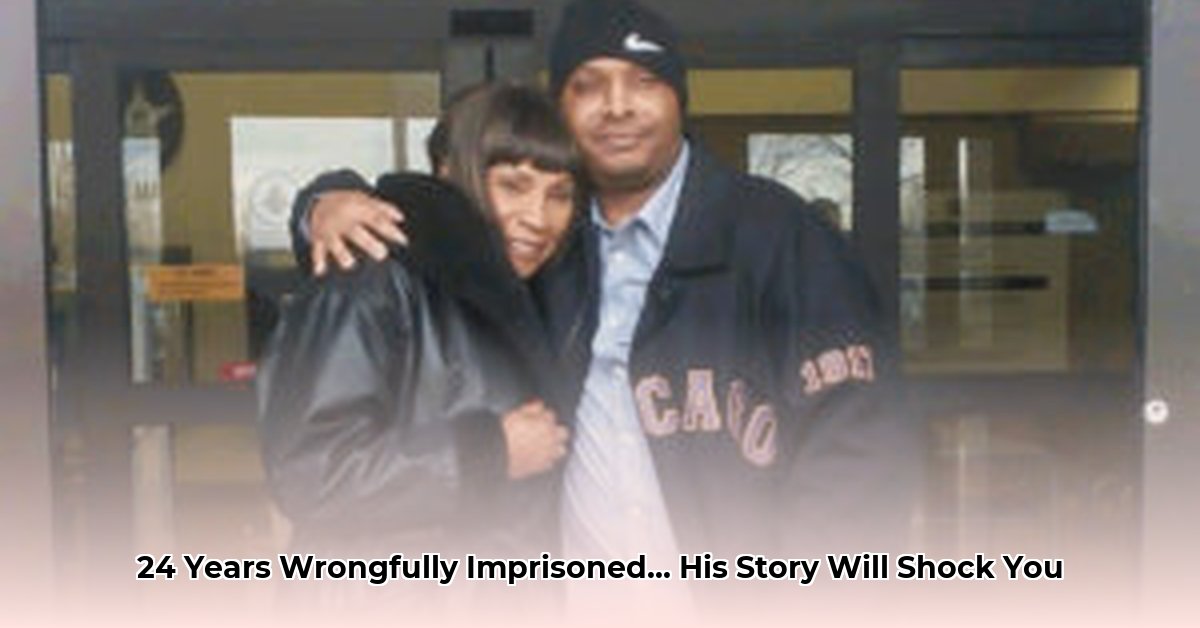
A Journey From Wrongful Conviction to Advocacy
Willie T. Donald's story transcends mere financial metrics; it's a powerful narrative of resilience, injustice, and the transformative power of advocacy. While details of his net worth remain private, his journey—from wrongful conviction to becoming a leading voice for criminal justice reform—is far more compelling. It compels us to examine systemic flaws within our justice system and the critical need for support for those wrongly imprisoned. How can we ensure others don't suffer the same fate?
The Nightmare Begins: A Wrongful Accusation
In 1992, Willie T. Donald's life was irrevocably altered. Accused of murder—a crime vehemently denied—he faced a justice system where flawed eyewitness testimony, a sadly common occurrence, became his undoing. This miscarriage of justice initiated a 23-year battle for freedom, a stark reminder of the fragility of justice when based on unreliable evidence. Isn’t it alarming how often this happens?
Lost Years: Two Decades Behind Bars
Twenty-three years stolen. Imagine the emotional toll of wrongful imprisonment—the constant anxiety, isolation, and pervasive sense of injustice. The sheer weight of such an experience is almost incomprehensible. Yet, despite these crushing circumstances, Willie T. Donald's spirit remained unbroken, fueled by an unwavering belief in his innocence. Given the staggering length of his wrongful imprisonment, what lasting impact did it have on his life?
The Long Road to Freedom: Exoneration
In 2016, justice—finally—prevailed. Willie T. Donald was exonerated. While the relief was undoubtedly profound, freedom didn't erase the past. Rebuilding a life after 23 years of unjust incarceration presented monumental challenges, highlighting the significant obstacles faced by exonerees re-entering society. How can we better assist those released after wrongful conviction and reintegrate them into society?
From Survivor to Advocate: A New Purpose
Dr. Nicky Jackson, a key figure in Willie's post-exoneration journey, became more than just an advocate. Together, they established the Willie T. Donald Exoneration Advisory Coalition, providing crucial support to other victims of wrongful conviction. This vital organization aids individuals navigating the complexities of exoneration and reintegration, addressing the considerable lack of resources available to those wrongfully imprisoned. What critical services does the Coalition provide to exonerees?
The Coalition's multifaceted support includes housing assistance, financial aid, job training, legal aid, and mental health support, tackling the many practical and emotional hurdles faced by exonerees. Willie T. Donald's experience transformed his purpose; he shifted his focus from enduring hardship to preventing others from suffering a similar fate.
A Deeper Look: Systemic Flaws in the Justice System
Willie's case throws a stark light on systemic flaws within our criminal justice system: the need for more reliable methods of identifying and prosecuting criminals and strengthened safeguards against wrongful convictions. The unreliability of eyewitness testimony, inadequate investigative resources, and the significant challenges faced by exonerees during reintegration all demand urgent attention and reform. More importantly, what concrete steps can be taken to address these systemic weaknesses?
Willie T. Donald's Legacy: Hope and Change
While the exact figure of Willie T. Donald's net worth remains unknown, his true wealth lies in the profound influence he's exerted, inspiring others who have faced similar injustices. He embodies hope and resilience, inspiring faith in the face of adversity. His enduring legacy is one of unwavering advocacy and a lifelong commitment to reforming the criminal justice system. What aspects of his legacy are most inspiring to you?
Support for the Wrongfully Convicted: A Critical Need
Comprehensive support systems for exonerees are desperately needed. These vital resources are not merely beneficial; they're absolutely crucial for helping individuals rebuild their lives and reintegrate successfully. What are some innovative solutions to improve support for exonerees?